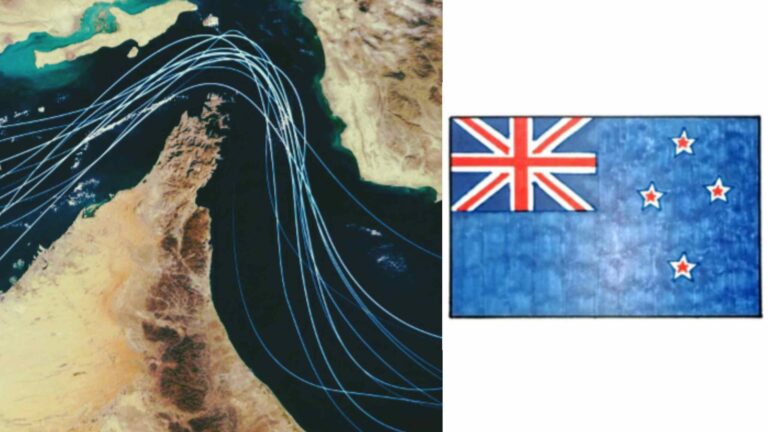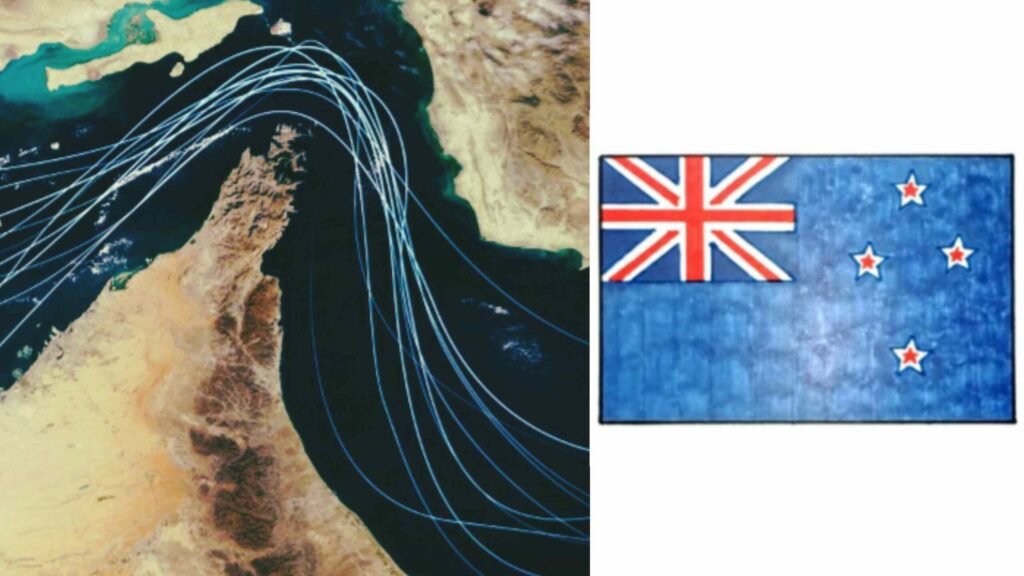
The economic aftershocks of escalating tensions in the Middle East are now hitting much closer to home for Australia and New Zealand, as major corporations begin to warn of shrinking profits, rising costs, and an increasingly uncertain outlook.
From airlines to banks and dairy exporters, some of the region’s biggest names are revising earnings forecasts, citing a sharp spike in fuel prices, disrupted supply chains, and weakening consumer confidence. The ripple effects of the U.S.-Israel-Iran conflict are proving broader and more persistent than many had anticipated.
✈️ Airlines Feel Immediate Pressure
The aviation sector is among the hardest hit, with fuel costs soaring rapidly.
Air New Zealand was quick to react, suspending its full-year earnings guidance and raising fares. The airline has also cut flight capacity through May and June, signaling weaker demand and tighter margins ahead.
Meanwhile, Qantas Airways has sharply increased its fuel cost forecast by up to A$800 million. The airline is responding by hiking ticket prices, reducing domestic flights, and redirecting capacity toward lucrative European routes.
Virgin Australia has also acknowledged that fare adjustments are unavoidable, with rising operational costs worsened by the Middle East situation.
🏦 Banks Brace for Financial Stress
The financial sector is also showing signs of strain.
Westpac Banking Corporation has warned that volatile energy markets are creating fresh headwinds for profits. The bank is increasing its provisions for potential loan defaults to levels not seen since the height of the COVID-19 pandemic, highlighting concerns over financially stressed households and businesses.
🥛 Dairy & Food Giants Hit by Supply Chain Disruptions
Export-driven companies are facing a double blow from higher freight costs and supply chain instability.
a2 Milk Company has cut its fiscal 2026 profit outlook, citing surging freight expenses and disruptions affecting shipments to China—its most important market.
Similarly, Fonterra expects inventory build-ups and increased costs as supply chains come under pressure, adding further uncertainty to global dairy pricing.
🏭 Industrial Sector Not Immune
The impact extends beyond consumer-facing industries.
Cleanaway Waste Management has reduced its annual earnings forecast by around A$20 million due to rising operating costs and weaker demand.
Packaging firm Orora has scaled back expectations for its French division and halted production in the UAE after key shipping routes were disrupted—another sign of how global conflict is choking supply lines.
⚠️ Bigger Picture: Inflation, Costs & Consumer Pain
With fuel and freight costs climbing, inflation across Australia and New Zealand is proving more stubborn than expected. Businesses are passing costs onto consumers where possible—but with household budgets already stretched, demand is starting to soften.
The growing list of corporate warnings suggests that the economic fallout from geopolitical tensions is no longer a distant risk—it’s already reshaping the financial outlook for the ANZ region.
📌 Why This Matters
Rising fuel costs → Higher prices for flights, goods, and services
Supply chain disruptions → Delays and shortages
Corporate earnings cuts → Potential job and investment impacts
Consumer strain → Slower economic growth ahead.
About the Author