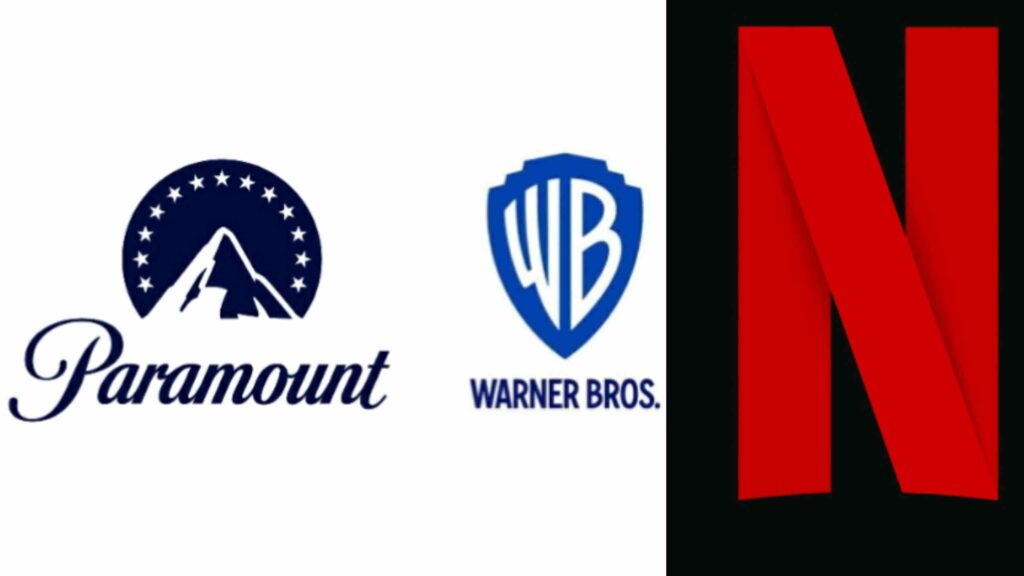
In a dramatic turn of events that caps a months-long bidding war, Netflix has officially stepped back from its pursuit of Warner Bros Discovery. The decision paves the way for rival Paramount Skydance to acquire one of Hollywood’s most legendary studios, a deal that could fundamentally reshape the media landscape.
Warner Bros, which put itself on the market last year, declared on Thursday that Paramount’s latest offer was “superior” to the one on the table from Netflix. The streaming giant, however, refused to escalate the bidding war, with executives stating that the price had simply become too high.
“Nice to Have, Not a Must Have”
In a statement explaining their withdrawal, Netflix co-CEOs Ted Sarandos and Greg Peters emphasized their financial discipline. “The transaction we negotiated would have created shareholder value with a clear path to regulatory approval,” they said. “However, we’ve always been disciplined.” They characterized the potential acquisition as a “‘nice to have’ at the right price, not a ‘must have’ at any price.”
The decision, which came just hours after Sarandos visited the White House, effectively ends Netflix’s ambition to absorb the iconic studio and its vast library of films and networks.
Paramount’s Winning Bid
Paramount had intensified its efforts in recent days, sweetening its offer by increasing its purchase proposal by $1 per share. The company is now offering $31 per share in cash, up from $30, to take over the entire company. The deal also includes significant financial safeguards, with Paramount agreeing to pay a $7 billion fee should the merger fall through, and covering a $2.8 billion break-up fee Warner Bros would have owed Netflix.
The acquisition would fold Warner Bros’ assets—including its film studio, HBO Max streaming service, and news giant CNN—into Paramount’s existing empire, which already includes CBS, Nickelodeon, and Comedy Central.
Regulatory Hurdles and Political Scrutiny
However, the path to finalizing the deal is far from smooth. It requires approval from both the U.S. Department of Justice and European regulators, and it has already attracted significant political scrutiny.
The future of CNN is a particularly sensitive issue. President Trump, who has frequently criticized the network’s reporting, suggested in December that CNN should be sold as part of any Warner Bros deal. Amid the news of the impending merger, CNN head Mark Thompson reportedly urged employees in an internal email not to “jump to conclusions about the future until we know more.”
Funding for the Paramount bid is also under a microscope due to the ties between its backers and the administration. The deal is supported by tech billionaire Larry Ellison, a major Republican donor, and his son David. Initial support for a hostile bid also came from Jared Kushner’s investment firm, Affinity Partners, which backed away in December amid scrutiny over potential presidential influence.
The merger has already led to concessions. Paramount recently agreed to a $16 million settlement on behalf of CBS News related to a lawsuit filed by President Trump over a “60 Minutes” interview.
A Battle with No Clear Winner?
For many in Hollywood, the bidding war represented a difficult choice. Critics of a Netflix takeover feared the “Silicon Valley streaming titan” would drain the soul from a storied movie studio, prioritizing algorithms over artistry. Conversely, a merger with Paramount has unnerved observers due to the company’s perceived political connections and the potential implications for CNN’s editorial independence.
With Netflix now out of the running, all eyes turn to the regulators who will decide if Paramount’s victory can become a reality.
About the Author