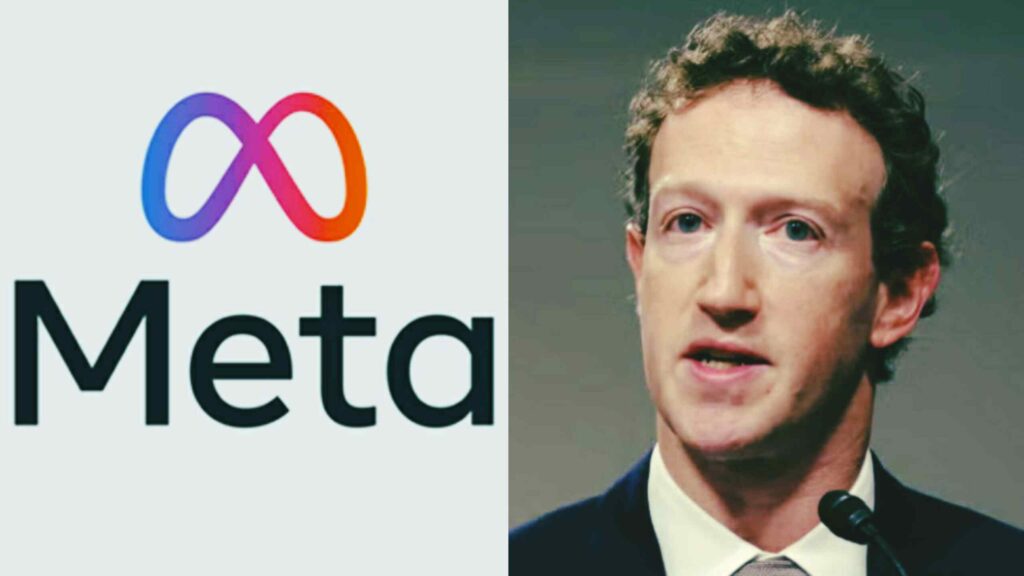
Big tech stocks have been treading water following last year’s rally, particularly as companies pour billions into artificial intelligence and data center infrastructure. Meta Platforms, the parent company of Facebook, is no exception. With ad revenue growth cooling from its pandemic-era highs and spending ramping up on AI “superintelligence,” the company recently announced it would cut “several hundred” jobs across divisions including sales, recruiting, and its Reality Labs virtual reality unit. At the same time, Meta faces mounting legal pressure from regulators.
For investors, the key question is whether META stock—amid rising AI and legal costs alongside layoffs—looks like a buy, sell, or hold. Let’s take a closer look.
A Dominant Core Business
Meta Platforms remains one of the world’s largest social media and advertising technology companies. It boasts 3.6 billion daily users across its platforms and generates nearly all its revenue from its Family of Apps segment. Reality Labs, which focuses on VR and AR headsets, contributes only about 1% of total revenue but has racked up significant losses. CEO Mark Zuckerberg is now pivoting toward AI while continuing to push for efficiency in the core business.
Recently, Meta delayed the rollout of its next major AI model, codenamed “Avocado,” after internal testing showed it lagged behind Google’s top models. The company has emphasized that it remains on a “rapid trajectory” for improved models and will release them steadily. It also acquired an AI-wearable startup called Limitless to further its vision of “personal superintelligence.”
For now, Meta is complying with new EU regulations by allowing users to opt for fewer personalized ads and is addressing concerns around AI chat features. While the company is deploying AI internally, it is taking a measured approach to public launches.
Stock Performance and Valuation
META stock saw gains last year on the back of AI developments and earnings beats, but those gains have not held in 2026. The stock is now down roughly 20% year to date, reflecting investor concerns about slowing advertising trends and heavy spending on both AI and the metaverse.
From a valuation standpoint, META remains expensive. Its forward price-to-earnings ratio stands at about 21×, well above the 13× average for typical tech and media peers. Its enterprise value-to-EBITDA ratio is 15×, compared to an industry average around 11×. This suggests the stock is trading at a premium based on expectations of strong future growth and profitability.
The Layoffs in Context
On March 25, news broke that Meta was cutting “a few hundred” jobs across Reality Labs, sales, recruiting, and other teams. The company framed the move as routine restructuring, with a spokesperson noting that teams “regularly restructure” and that affected employees would be given “other opportunities” within the organization. With a total workforce of roughly 79,000, the cuts represent a tiny fraction of Meta’s employees.
Analysts point out that while trimming a few hundred jobs may save tens of millions of dollars, the bigger story for Meta remains its massive AI spending and advertising growth. For now, the market appears more focused on revenue trends and returns on investment than on this modest reduction in headcount.
Strong Growth, Soaring Costs
Meta’s most recent quarterly results showed accelerating revenue growth alongside sharply higher expenses. Revenue jumped 24% year-over-year to $59.89 billion, driven by increased ad placements across Facebook and Instagram as daily active users rose about 7%. However, operating income grew only 6% to $24.75 billion, as expenses surged 40% to $35.15 billion due to data center expansion and research and development. Net income came in at $22.77 billion, up 9%, while diluted earnings per share rose 11% to $8.88, both beating Wall Street expectations.
Meta continues to generate significant cash flow. Free cash flow for the quarter was approximately $14.1 billion, and the company ended 2025 with roughly $81.6 billion in cash and marketable securities. CFO Susan Li noted that this cash position allows Meta to fund its AI ambitions. Zuckerberg summarized the quarter by saying the company delivered strong business performance in 2025 and is now focused on advancing personal superintelligence in 2026.
Nearly all of Meta’s revenue continues to come from the Family of Apps segment, which brought in about $198.8 billion in fiscal 2025—98.9% of total sales and a 22% increase year-over-year. Reality Labs contributed roughly $2.2 billion in revenue while continuing to post losses, which Meta has said may peak in 2026.
Looking ahead, management offered upbeat guidance despite the spending surge. For the first quarter of 2026, Meta expects revenue between $53.5 billion and $56.5 billion, supported by a roughly 4% foreign exchange tailwind. For the full year, the company projects total expenses between $162 billion and $169 billion, with capital expenditures reaching as high as $135 billion. Even with this increased spending, Meta expects operating income to surpass 2025 levels.
What Analysts Are Saying
Wall Street remains generally optimistic about META stock, though price targets vary. Bank of America stands out as a major bull, recently raising its price target to $885 from $810 with a “Buy” rating. Analyst Justin Post cited Meta’s strong 21% revenue growth, 82% gross margins, and its position as an infrastructure powerhouse capable of generating positive free cash flow in 2026.
RBC Capital maintained an “Outperform” rating with a $810 target, noting that Meta beat fourth-quarter expectations and guided 10% above consensus, with Reality Labs losses appearing to have peaked.
Goldman Sachs also struck an encouraging tone, with analyst Eric Sheridan keeping a “Buy” rating and raising his target to $835, supported by growing ad momentum.
On the more cautious side, Morgan Stanley—which had lowered its target to $750 in December—acknowledged Meta’s solid fundamentals. The firm noted that while sentiment remains wary given higher spending levels, the company’s data, distribution, and AI advantages are significant strengths.
Overall, the consensus price target among analysts hovers around $864, suggesting roughly 63% upside from current levels. According to data from Barchart, the majority of 56 analysts polled rate META as a “Strong Buy.”
The Bottom Line
The debate around Meta is clear: bulls argue that the company’s advertising strength and AI investments justify its premium valuation, while bears caution that high expectations leave little room for error. Meta has laid out a plan to continue generating record revenue and cash flow, but at a significantly higher cost. If the company’s AI investments translate into meaningful productivity gains and returns without eroding overall profitability, the stock could see renewed momentum.
About the Author