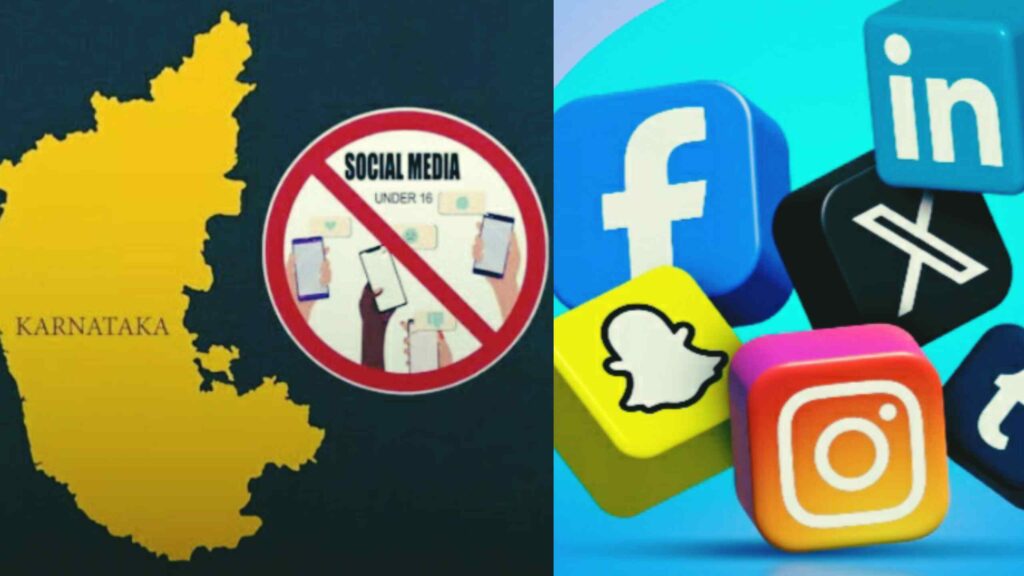
The southern Indian state of Karnataka—home to Bengaluru, the country’s tech capital—announced a ban on social media for children under 16 on Friday, becoming the first state in India to take a stand in the escalating global debate over young people’s digital lives.*
The move comes amid mounting concerns about children’s growing addiction to social media and their exposure to unfiltered internet content—a conversation that has spread rapidly across continents. Australia made history in December as the first country to impose a nationwide ban for children, and now Britain, Denmark, and Greece are actively studying similar measures.
India, with its staggering 750 million smartphones and one billion internet users, represents one of the world’s largest and most lucrative social media markets. For Meta, the country is crown jewel territory—home to the highest number of Facebook, Instagram, and WhatsApp users anywhere on the planet.
Karnataka Chief Minister Siddaramaiah delivered the announcement during his annual budget speech on Friday. “With the objective of preventing adverse effects of increasing mobile usage on children, usage of social media will be banned for children under the age of 16,” he said. No timeline for implementation was provided.
The numbers tell part of the story. According to a 2019-20 federal health ministry survey, less than a quarter of Karnataka’s population is under 15. The state’s total population stands at approximately 67.6 million, based on 2025 data from India’s Niti Aayog think tank.
Bengaluru itself isn’t just any Indian city—it’s the country’s Silicon Valley, hosting global tech giants including Microsoft, Amazon, IBM, Dell, and Google. The irony of a tech hub restricting access to digital platforms isn’t lost on observers, but supporters argue that proximity to the industry offers clearer insight into its potential harms.
Karnataka isn’t acting in isolation. Neighboring Goa’s IT minister confirmed in January that the state is considering similar legislation. Meanwhile, a lawmaker in Andhra Pradesh has already proposed a bill aimed at reining in children’s social media use.
At the national level, India’s chief economic adviser called in January for New Delhi to develop age-based access policies to combat what he termed “digital addiction”—a statement that drew widespread support from concerned parents and child welfare advocates.
But not everyone is cheering. Some activists and technology experts argue that age-based bans miss the mark. Children, they point out, can easily bypass restrictions using fake identification documents. The better approach, they contend, lies in equipping both children and parents with the tools and knowledge to navigate social media safely and responsibly.
The debate now moves forward—in Karnataka, across India, and around a world struggling to balance digital freedom with childhood protection.
About the Author