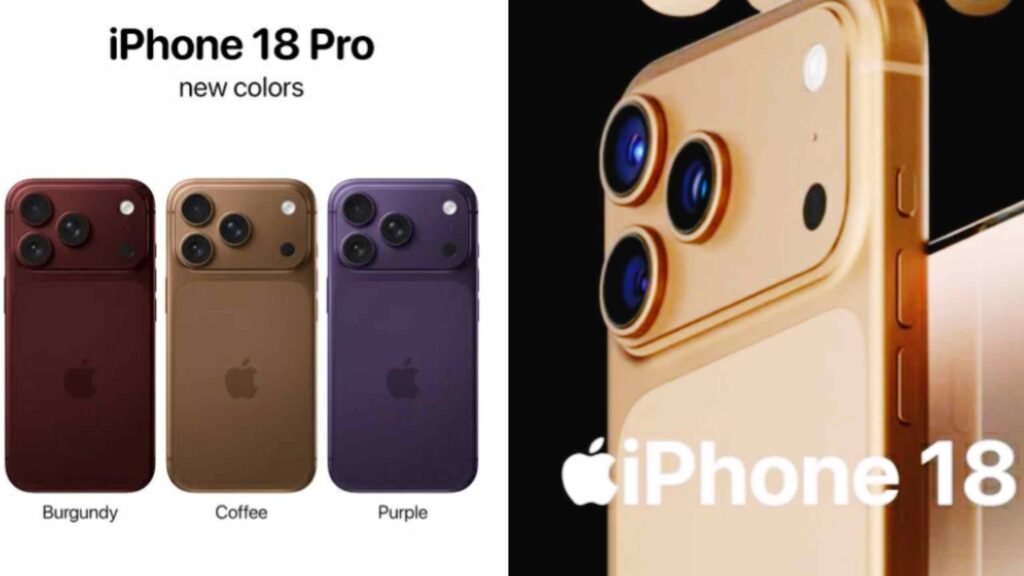
Apple is rewriting its own playbook. In a major strategic shift, the highly anticipated iPhone 18 is slated for a spring 2027 release, breaking away from the company’s decades-old tradition of fall launches. While the exterior may look familiar to current users, the real story lies under the hood, with a host of internal upgrades designed to keep Apple at the forefront of the premium smartphone market.
A New Season for Apple
The move to a spring launch is more than just a calendar change. By staggering its release schedule, Apple is likely aiming to smooth out supply chain kinks and maintain a steady market presence year-round. This approach, already adopted by competitors like Samsung, allows for better inventory management and keeps consumer attention fixed on Apple’s latest offerings even outside the traditional holiday shopping window.
Familiar Looks, Subtle Tweaks
If you’ve seen the iPhone 17, you’ve basically seen the iPhone 18. The design language remains consistent, centered around the 6.3-inch ProMotion display with its signature smooth scrolling. Don’t expect a radical overhaul; instead, Apple appears to be focusing on incremental refinements. Think potentially enhanced display brightness for better outdoor visibility and a continued dual-camera setup on the rear. It’s a strategy of continuity, ensuring a seamless transition for loyal users while subtly polishing the user experience.
Under the Hood: A Performance Leap
Where the iPhone 18 truly differentiates itself is in its internal architecture. The device will be powered by Apple’s next-generation A20 chip, with higher-end variants getting the even more powerful A20 Pro processor. Both are expected to deliver significant gains in speed and energy efficiency.
Perhaps more impactful for everyday users is the jump to 12GB of RAM, a 50% increase from the current 8GB. This will make multitasking noticeably smoother and apps snappier. Connectivity also gets a boost with the new C2 chip, promising faster and more reliable 5G performance, even in crowded areas. Rumors also point to Apple’s in-house C2 modem debuting in the Pro models, signaling a major step toward the company’s independence from third-party cellular components.
Camera Upgrades for Sharper Memories
Photography enthusiasts have plenty to look forward to. The rear cameras are expected to feature next-generation 48MP sensors, which should dramatically improve image sharpness and low-light performance. A rumored variable aperture system on the main lens could also give the camera more flexibility in how it handles different lighting conditions.
Selfie lovers aren’t left out either. The front-facing camera is tipped for an upgrade to 24MP, up from 18MP, promising clearer selfies and more professional-looking video calls.
Battery, Storage, and Pricing
Battery life is expected to see improvements, keeping users powered for longer stretches. While charging speeds and MagSafe capabilities may remain consistent, the iPhone 18 will retain the versatile USB-C port introduced in previous models.
In a notable value-add, Apple is reportedly doubling the base storage to 256GB, a welcome change for users who store大量 of photos, videos, and apps on their devices. Despite these upgrades, the starting price is expected to remain at $799, keeping the iPhone 18 competitively positioned in the premium market.
Key Takeaways
- Release Date: Spring 2027 (strategic shift from fall).
- Design: Familiar 6.3-inch ProMotion display with minor refinements.
- Performance: A20/A20 Pro chips, 12GB RAM, enhanced 5G (C2 chip), and in-house C2 modem for Pro models.
- Camera: Upgraded 48MP rear sensors, potential variable aperture, and a 24MP front camera.
- Storage: Base model starts at 256GB.
- Pricing: Expected to start at $799.
While Apple has yet to officially confirm any details, the iPhone 18 is shaping up to be a thoughtful evolution—one that balances a trusted design with the kind of internal firepower that defines a flagship experience.
About the Author