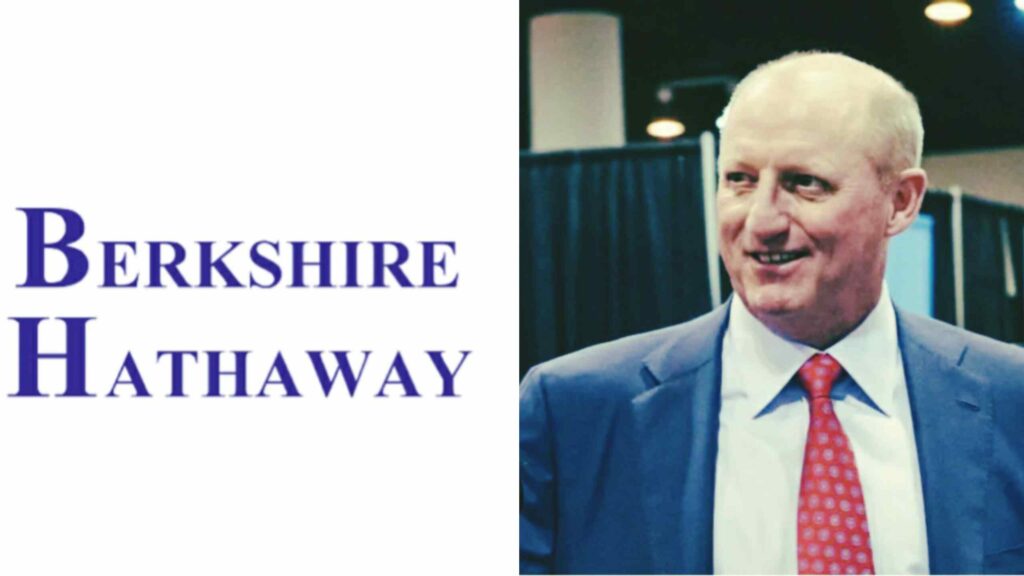
Berkshire Hathaway revealed in a regulatory filing on Friday that it awarded Chief Executive Greg Abel $22 million in compensation for 2025, as he prepared to take the reins from legendary investor Warren Buffett. The filing also showed the company recently resumed repurchasing its own stock, ending a nearly two-year hiatus, with buybacks totaling more than $200 million.
The details were included in a proxy statement released ahead of Berkshire’s annual shareholder meeting, scheduled for May 2 in Omaha, Nebraska.
Abel, 63, officially succeeded Buffett as CEO on January 1, after serving eight years as a vice chairman. The company’s other vice chairman, 74-year-old Ajit Jain, also received compensation of $22 million in 2025. Abel’s base salary is set to increase to $25 million for 2026.
Buffett, now 95, led the conglomerate for six decades and continues to serve as chairman. His 2025 compensation totaled $389,488, which includes his customary $100,000 salary plus additional costs for personal and home security. According to Berkshire, Buffett still spends significant time working from home but makes the daily trip to his office, located about two miles away.
The filing indicated that Berkshire’s outstanding share count decreased by the equivalent of 309 Class A shares during the quarter ending March 4. Last week, Abel confirmed to CNBC that the company had resumed buybacks that day, marking its first repurchases since May 2024.
Some analysts and investors have expressed concern that Berkshire has been overly cautious in deploying its capital. The company ended the year with more than $373 billion in cash and equivalents, representing over one-third of its roughly $1.06 trillion market capitalization.
Berkshire’s vast portfolio includes major operating businesses such as Geico car insurance, the BNSF railroad, and numerous industrial, manufacturing, and retail operations. At year-end, it also held nearly $300 billion in stock investments.
Abel explained that Berkshire only authorizes buybacks when the intrinsic value of its shares exceeds the market price. He noted that given the recent leadership transition, it was important to publicly announce the resumption of the buyback program. Further details on first-quarter repurchases may be disclosed at the May 2 annual meeting.
Shareholder Proposals on the Agenda
In the same proxy statement, Berkshire’s board recommended that shareholders approve an advisory “say-on-pay” proposal, which would allow them to voice their opinion on executive compensation every three years.
However, the board unanimously urged shareholders to reject a separate proposal that would require the company to produce a report on its oversight of workforce and human-capital management across its diverse operating businesses. Citing Berkshire’s deeply ingrained culture and decentralized management structure, the board argued that individual business units are best equipped to handle their own affairs, making such a company-wide report unnecessary.
With Buffett controlling 30.2% of the company’s voting power through his 13.7% stake, shareholder proposals he opposes face a significant challenge in garnering majority support.
About the Author