The global surge in artificial intelligence demand is powering Samsung Electronics toward what could be a historic financial milestone. However, despite booming profits, rising geopolitical tensions and market uncertainties are beginning to cast a shadow over the company’s future growth.
🚀 AI Chip Demand Pushes Profits to Record Highs
Fueled by skyrocketing memory chip prices, Samsung is expected to report a massive jump in earnings for the January–March quarter. According to estimates from LSEG, operating profit could reach 40.5 trillion won ($26.9 billion), marking a sixfold increase compared to the same period last year.
This would not only represent a quarterly record but also bring Samsung close to matching the 43.6 trillion won it earned across the entire previous year—an extraordinary leap driven largely by AI-related demand.
Some analysts are even more bullish. Citigroup (Citi) forecasts profits could climb as high as 51 trillion won, reflecting strong optimism around the semiconductor boom.
Industry experts highlight that the current memory chip market conditions are exceptionally favorable, with demand for AI-driven infrastructure continuing to outpace supply.
🌍 Investors Watch Geopolitical Risks Closely
Despite the upbeat earnings outlook, investors remain cautious. The ongoing Middle East conflict has raised concerns about rising energy costs and potential disruptions to critical supply chains.
These risks could have a ripple effect across the tech sector. Higher production costs and uncertainty may lead major companies to slow down investments in AI data centers—currently a key driver of chip demand.
At the same time, early signs of weakening DRAM spot prices are emerging. As manufacturers increase prices for devices like smartphones and computers, consumer demand has started to cool.
Adding further pressure, Google recently introduced a memory-saving innovation called “TurboQuant,” which could reduce reliance on high-capacity memory chips in the future.
Since the conflict began in late February, Samsung’s stock has dropped around 14%, although it still remains significantly up for the year thanks to massive AI investment commitments from major tech firms.
📊 Short-Term Slowdown, Long-Term Growth
While some cooling is expected in the short term, many industry insiders remain optimistic about the long-term outlook.
TrendForce reports that DRAM prices doubled in the first quarter and are projected to rise another 58–63% in the April–June period. Strong backlog orders and persistent demand suggest that supply will take time to catch up.
Samsung leadership is also taking steps to stabilize revenue. Co-CEO Jun Young-hyun recently confirmed that the company is negotiating longer-term contracts (three to five years) with key clients to reduce exposure to market volatility.
⚙️ Other Business Units Under Pressure
Despite the semiconductor boom, not all parts of Samsung’s business are thriving.
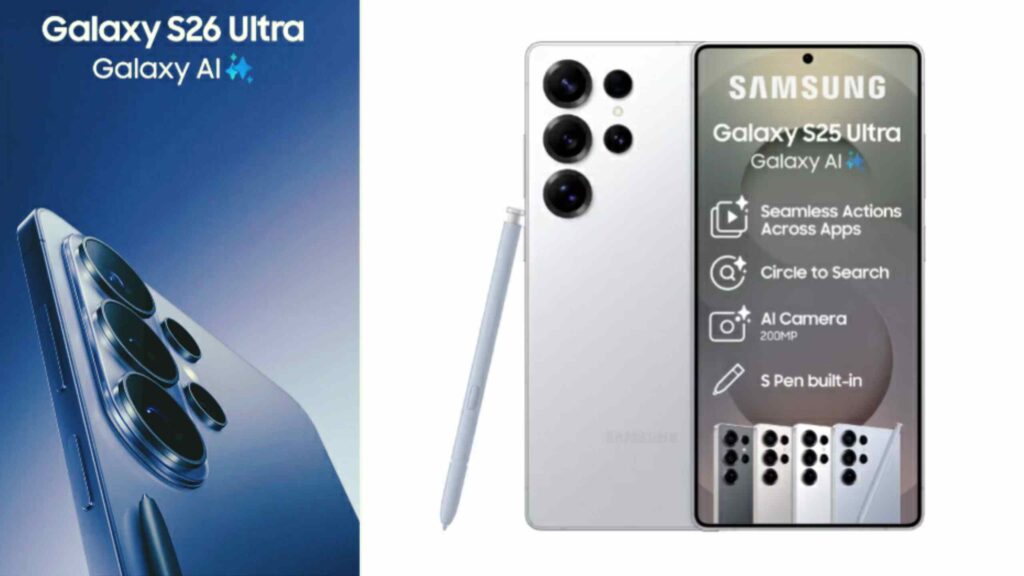
Its contract chip manufacturing division—competing with TSMC—is expected to remain unprofitable, although a recent partnership with Nvidia to develop AI inference processors could provide a boost.
Meanwhile, analysts at Kiwoom Securities predict that Samsung’s smartphone and display divisions may see profits cut in half due to rising component costs and fierce market competition.
⚠️ Labor Challenges Add to Uncertainty
On top of market pressures, Samsung is also facing potential labor unrest in South Korea. Worker unions are pushing for changes to the company’s bonus system and have warned of possible strikes in May—adding another layer of risk to Samsung’s otherwise strong financial outlook.
About the Author