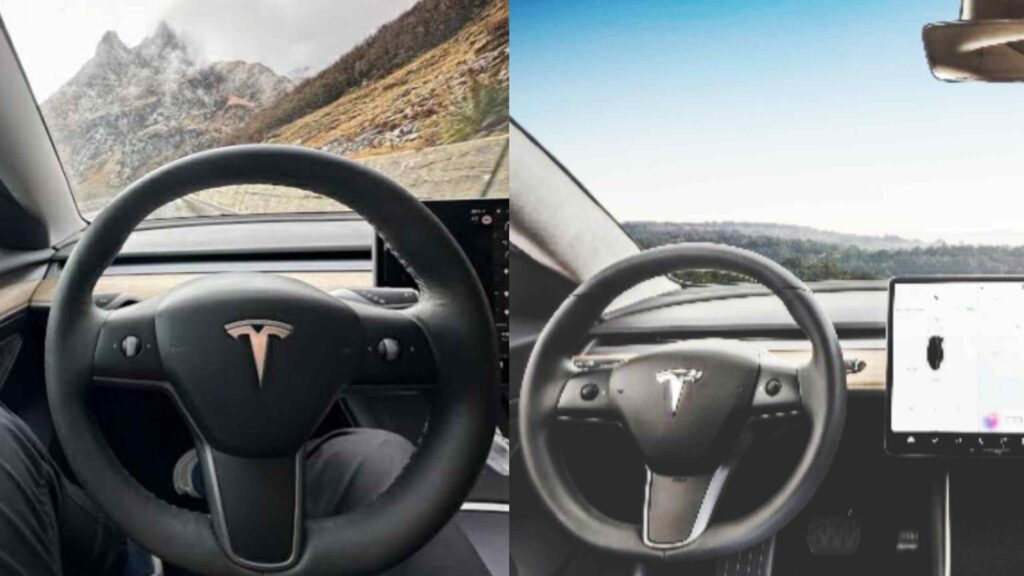
Tesla Scores Historic Win in Europe as Self-Driving Tech Gets Green Light in the Netherlands
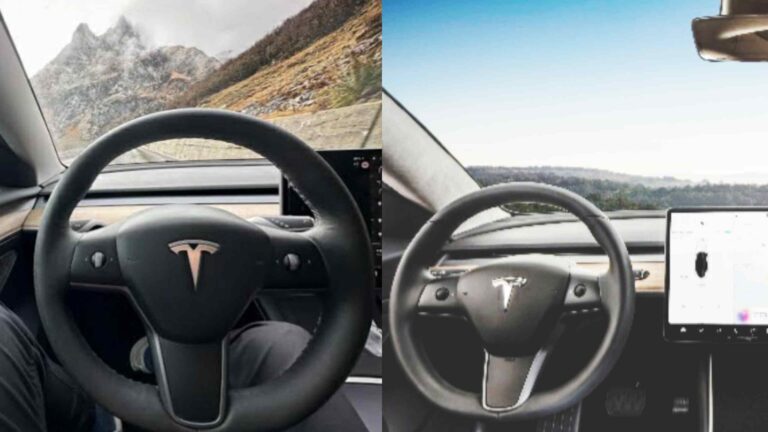
In a major milestone for autonomous driving in Europe, Tesla has secured its first official approval within the European Union for its “Full Self-Driving (Supervised)” system—starting in the Netherlands.
The decision, granted by the Dutch vehicle authority RDW after 18 months of testing, allows Tesla vehicles to use the advanced driver-assistance system on both highways and city streets—marking a turning point in the company’s push to expand across Europe.
What Makes This Approval So Significant?
This isn’t just another feature rollout—it’s a regulatory breakthrough.
Tesla’s system can control steering, braking, and acceleration, but still requires active human supervision. Authorities emphasized that, when used correctly, the system can improve road safety—an important endorsement in one of the world’s most tightly regulated automotive markets.
Even more crucial: Dutch regulators are now pushing the case to the European Commission for approval across all EU member states, potentially opening the floodgates for continent-wide adoption.
A High-Stakes Moment for Tesla
For Elon Musk, this approval is far bigger than a software update—it’s central to Tesla’s long-term vision.
The company’s future hinges on autonomous driving and AI-powered mobility, including the long-promised robotaxi network. Much of Tesla’s massive valuation is tied to this vision becoming reality.
A successful European rollout of Full Self-Driving (FSD) could significantly boost both revenue and investor confidence.
Why Europe Matters Right Now
Tesla’s European business has been under pressure. Slowing sales, an aging lineup, and public controversies surrounding Musk have all weighed on demand.
This new approval could help reverse that trend.
With around 100,000 eligible vehicles already on Dutch roads—including the Tesla Model 3 and Tesla Model Y—the Netherlands becomes a real-world testing ground for how consumers respond to FSD at scale.
Early analyst reactions suggest the feature could reignite interest among buyers eager to تجربة next-gen driving technology.
Tesla vs. Traditional Automakers: A Different Bet
Tesla’s approach to autonomy stands apart from rivals.
While competitors like Mercedes-Benz, Ford, and BMW rely on a mix of radar, LiDAR, and sensors, Tesla is betting almost entirely on cameras and artificial intelligence.
Regulators highlighted that European safety standards are stricter than those in the U.S., meaning the EU version of Tesla’s system is not identical to what’s currently deployed across the Atlantic.
What Happens Next?
The next step is critical: EU-wide approval.
If the European Commission backs the proposal, Tesla could rapidly expand its self-driving software across Europe. If not, individual countries may still approve it independently—creating a fragmented but still promising rollout.
Tesla has hinted that clarity on broader EU adoption could come as early as this summer.
Bottom Line
This isn’t just a regional approval—it’s a potential tipping point.
If Tesla successfully scales its Full Self-Driving technology across Europe, it could reshape the competitive landscape, boost sales, and bring the company one step closer to its autonomous future.
For now, the Netherlands has opened the door—and the rest of Europe is watching closely.
About the Author