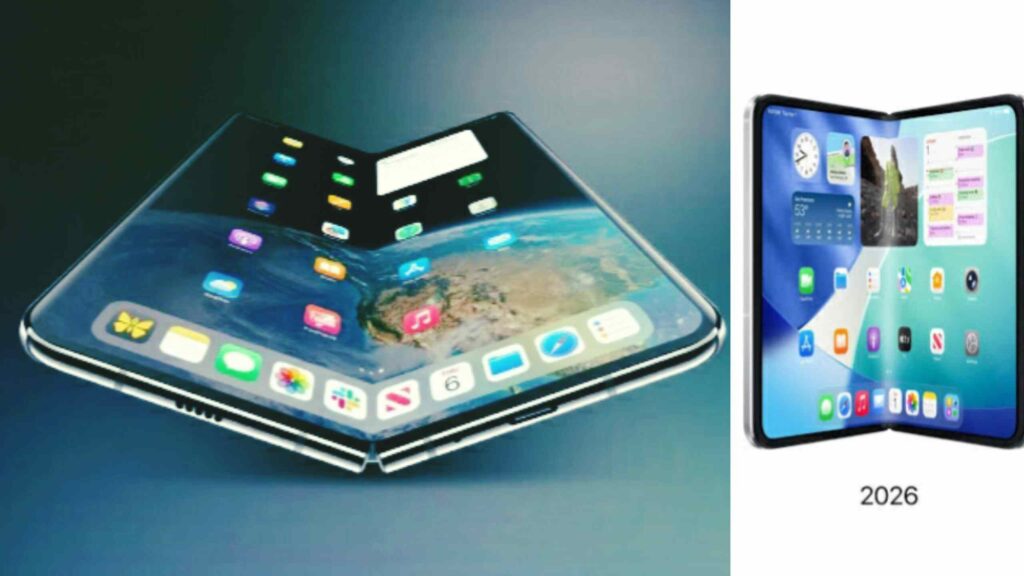
Apple Inc. is facing unexpected engineering hurdles in the development of its first foldable iPhone, raising concerns about potential delays to its highly anticipated launch, according to a report by Nikkei Asia.
The report states that complications emerged during the early engineering testing phase, a critical stage where hardware and design are refined before mass production. These setbacks could push back both manufacturing timelines and initial shipments—potentially by several months in a worst-case scenario.
A source familiar with the matter told Nikkei that the project has encountered more issues than initially expected:
“It’s true that more issues than expected have emerged during the early test production phase, and additional time will be needed to resolve them and make necessary adjustments.”
Production Timeline at Risk
The foldable iPhone—expected to mark Apple’s entry into the growing foldable smartphone market—was previously targeted for a launch in the second half of 2026.
Earlier reporting from Nikkei indicated that Apple planned to release the foldable device alongside two standard iPhone models featuring upgraded cameras and larger displays. However, the newly reported engineering challenges may disrupt that timeline if unresolved.
Apple Silent as Market Watches Closely
Reuters noted it could not independently verify the report, and Apple has not yet responded to requests for comment outside of regular U.S. business hours.
High Stakes in the Foldable Race
Any delay could have broader implications for Apple’s competitive position, as rivals continue to advance in foldable smartphone technology. Entering the segment later than expected may increase pressure on Apple to deliver a more refined and durable product.
What Comes Next
While delays are not uncommon in complex hardware development—especially for new form factors like foldable devices—the coming months will be critical in determining whether Apple can stay on track for its planned 2026 debut.
For now, the report signals that Apple’s foldable ambitions remain intact—but the road to launch may be longer than anticipated.
About the Author