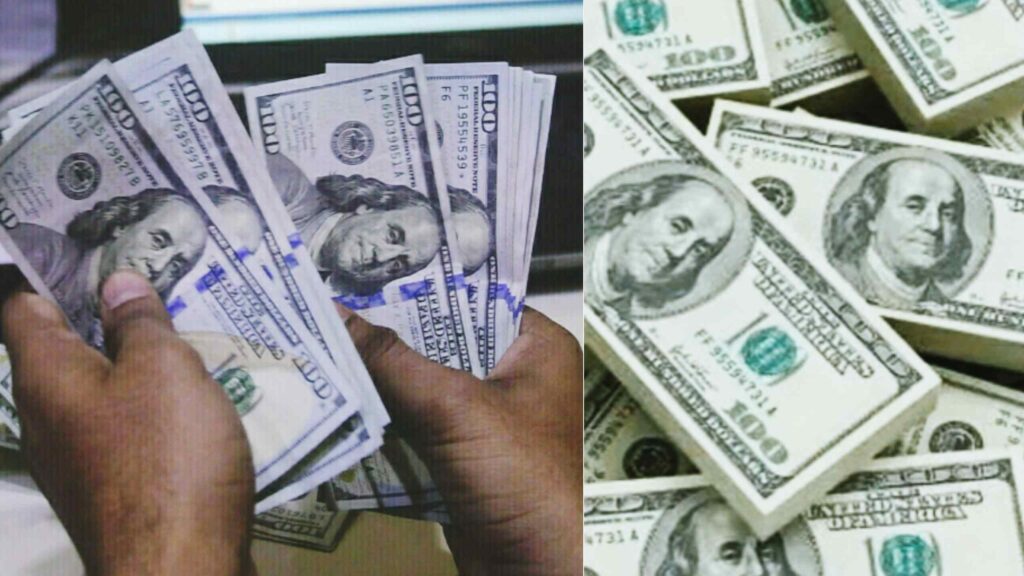
The U.S. dollar retreated from multi-month highs this week as surging energy prices dramatically shifted the global interest rate landscape. With war in the Middle East choking oil and gas supplies, the Federal Reserve now stands alone as the only major central bank not expected to raise rates this year.
Before the U.S.-Israeli conflict with Iran began in late February, markets had priced in two Fed rate cuts for 2026. Now, even a single cut appears increasingly unlikely. Meanwhile, central banks across Europe and Asia are signaling they may need to hike aggressively to combat inflation fueled by skyrocketing energy costs.
The numbers tell the story. The euro climbed 1.4% for the week to $1.1569, while the yen gained 1.2% to settle around 157.88. Sterling rose more than 1.5% to hover at $1.3422, and the Australian dollar added 1.5% to approach 71 U.S. cents. All are on track for weekly gains against a suddenly vulnerable greenback.
At the heart of the shift is the energy market. Benchmark Brent crude futures have jumped roughly 50% since the conflict began last month, effectively closing key sea lanes for Middle East energy exports. That has forced policymakers worldwide to reconsider their inflation outlooks.
The European Central Bank kept rates steady on Thursday but issued stark warnings about energy-driven inflation. Sources told Reuters that ECB policymakers are likely to begin discussing rate hikes as soon as next month. Markets have quickly pivoted, sweeping away expectations for rates to hold at 2% and now pricing in a hike by June.
“While the Fed is willing to display patience in the face of a shock generating two-sided risks to its mandate, the ECB seems unusually sensitive,” analysts at J.P. Morgan noted. “There appears to be a genuine tilt towards a rate hike this year, even if it remains uncertain how quickly it will translate into action.”
The Bank of England followed a similar path. While holding rates steady, it triggered one of the sharpest selloffs ever in short-dated gilts by signaling readiness to act. Markets that had expected rates to drift lower now price in 80 basis points of hikes by year-end.
Even the Bank of Japan surprised investors, leaving the door open to a potential hike as soon as April. That wrongfooted traders who had bet on further yen weakness and helped lift the currency.
The Reserve Bank of Australia hiked rates for the second time in two months, with investors anticipating more to come.
Crude prices dipped slightly on Friday after President Donald Trump advised Israel against further strikes on Iranian energy infrastructure, following a round of tit-for-tat attacks that left a Qatari gas plant crippled. But the broader upward pressure remains.
The Fed left rates unchanged this week as expected, but Chair Jerome Powell acknowledged the uncertainty. He said it was too soon to determine the scope and duration of any economic fallout from the war.
The dollar index held steady at 99.359 but was on track for a 1.1% weekly decline, its sharpest since late January. Still, some analysts caution against predicting a prolonged slide.
“The longer the war drags on, the higher the U.S. dollar will go,” said Carol Kong, currency strategist at Commonwealth Bank of Australia. “It will benefit from safe-haven demand arising from higher uncertainty and also from the U.S. being an energy exporter.”
About the Author